There is a stirring moment, in the TV series The West Wing, when a devoted public servant, at precisely the moment when only personal safety and healing should be on his mind, asks colleagues ‘What’s next?’ The words evoke the everyday flow of difficult tasks facing those who honestly seek to serve and in that moment conveyed a stunning depth of devotion.
There is always more to come, another layer in the ongoing froth and frustration that is righting wrongs and mapping the route to a future of fairness and freedom.
Our moment is defined by polycrisis—the complicated landscape of endlessly interacting crisis-level challenges, which affect us all and demand our attention. ‘The Polycrisis’ includes the world-shaping forces and effects of:
- The climate disruption crisis, including catastrophic degradation of ecosystems, biodiversity, and watersheds;
- Ongoing ripple effects of the COVID-19 pandemic;
- Armed conflict and related crimes against humanity and breaches of international law;
- Protectionism, tariffs, and other efforts to disrupt constructive multilateral cooperation;
- Extreme and worsening income inequality;
- Institutional incapacity to enact multidimensional responses to crisis;
- Worsening stresses on public budgets and long-term threats to fiscal stability.
There are many discrete, local and regional manifestations of these forces driving the polycrisis, but these seven have in common that they are affecting people and institutions across the world, while threatening systemic failures of generational consequence.
Artificial intelligence adds a new layer to the Polycrisis, because while many believe it might allow for discovering, developing, and scaling urgently needed solutions, it is also worsening several of the interacting global crises. At this writing, there is serious concern, from those most invested in rapidy advancing AI technologies, that we may already be losing control and unable to safely develop more advanced models.
Many of the effects of the 7 interacting crises, as of AI as an 8th layer, show up in our everyday lives as higher prices. Embedded costs—from fossil fuel prices to the impacts of natural disasters supercharged by global heating to overstressed food systems, increasing water scarcity, and the deadly consequences of ultraprocessed foods—transfer investment risk (and costs for harm caused) to consumers, society, and Nature.

That transfer of risk and cost is a spiral, which pushes embedded costs up, incentivizes investors to shift new income from labor to capital, and makes life more unaffordable for most people in most countries.
All of this means we are asking, on a daily basis, What’s next? What is the next big thing that will demand our attention, because our societies are being subjected to the torment of nonstop crisis beyond the means of existing budgets and institutions to respond.
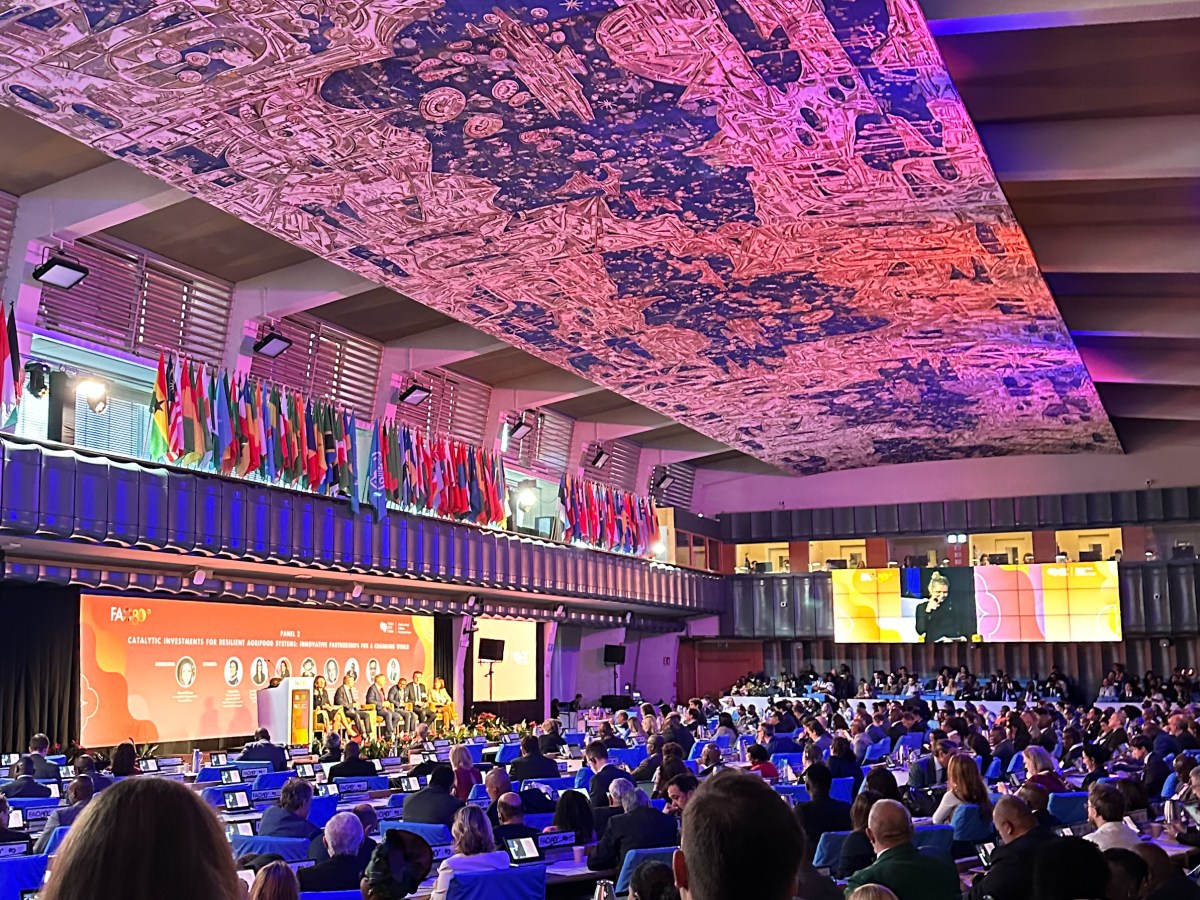
The recent annual gathering of the leaders of 193 Member States of the United Nations General Assembly, has made clear the world needs:
- AI safety – Actionable consensus on responsible management of frontier AI development;
- Climate investment – Real-world progress on driving mainstream investment into climate-resilient development, including energy systems, adaptation measures, infrastructure, and agriculture, with major investments to restore and protect Nature;
- Binding law – A legally binding, enforceable recommitment to the core values of the UN Charter, including nonagression and respect for the human rights of all people;
- Fairness financing – Efforts across the public and private sectors to reward financing for fairness and disincentivize dehumanizing financial structures.
All of these will be hard to achieve. Some argue each of these will be harder than the nuclear nonproliferation efforts of the 20th century, time is short. We simply cannot afford not to do things the right way, for the right reasons, without further delay.
The UN Environment Programme report on Limiting Overshoot warns we will breach the 1.5ºC threshold for unmanageably dangerous global heating in the coming years. The report also finds we can slow, stop, and reverse the process of global heating; we have the tools and technologies, the policy levers and business strategies, needed to make this happen.
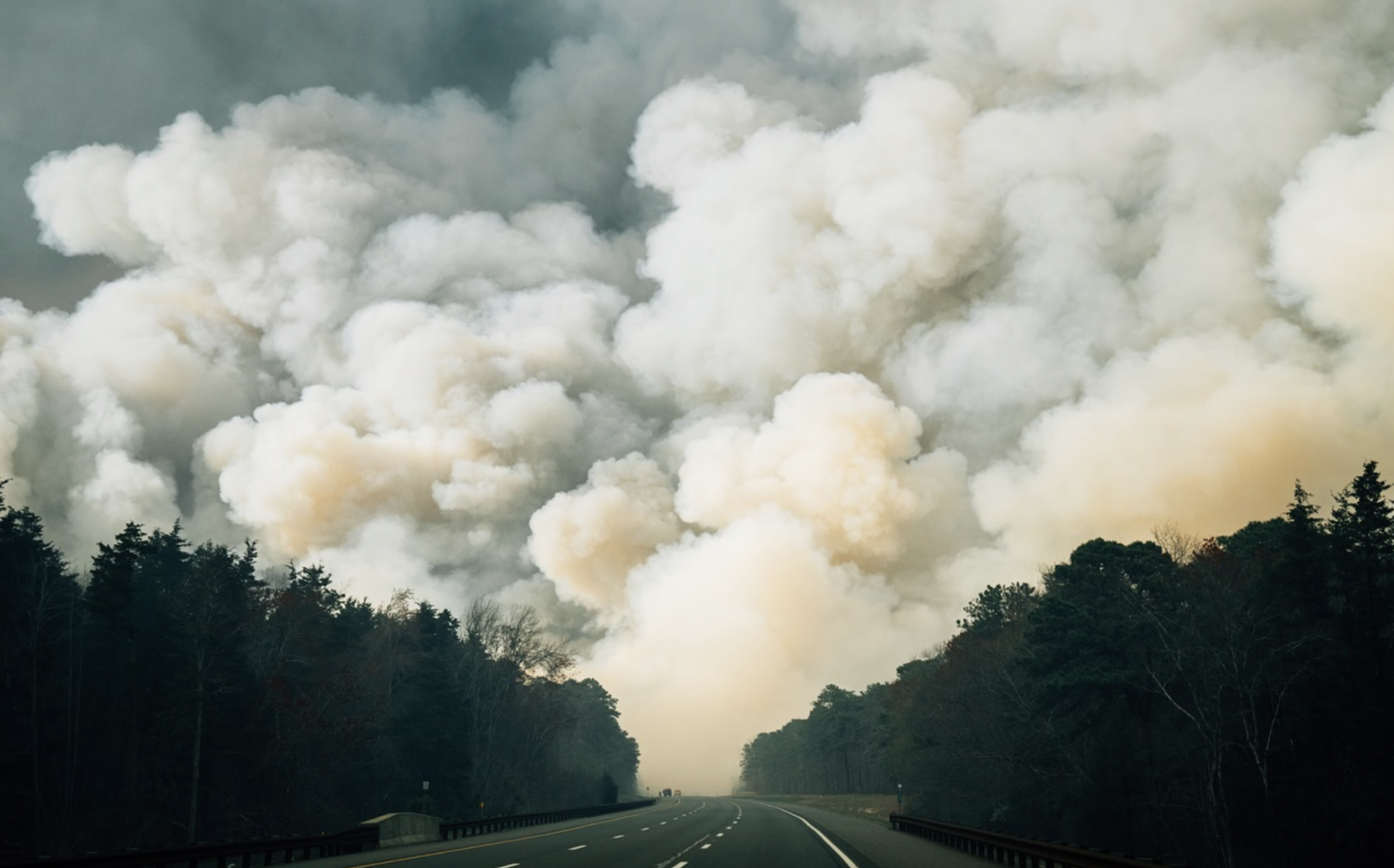
Getting it right would be the biggest economic opportunity in world history, worth hundreds of trillions of dollars in real-world benefits over the coming decades. Those trillions are piling up now, at a staggering rate, and that cost pressure is embedded in every part of the economy.
We are living in the Age of Risk, and that means Rescue is the goal we should all be pursuing. Rescue means protecting ecosystems and watersheds from collapse. It means preventing catastrophic harm to vulnerable communities, and securing food supplies against an industrial-scale system failure.
Each of these urgent needs is an opportunity for those who step out in front of the danger and make solutions available at scale. Some of those rescuers will be small-scale local actors; some will be major cooperative ventures, possibly networks of actors large and small. Opportunity is everywhere in the emerging Resilience Economy.
As we often have noted: We are all future-builders. This also means: We are all rescuers. This is why the nonstop flood of disruptive events and alarming news wears us down; there is an implicit intuitive sense about all of it that we should, if we can, even if we don’t yet know how, lend a hand.
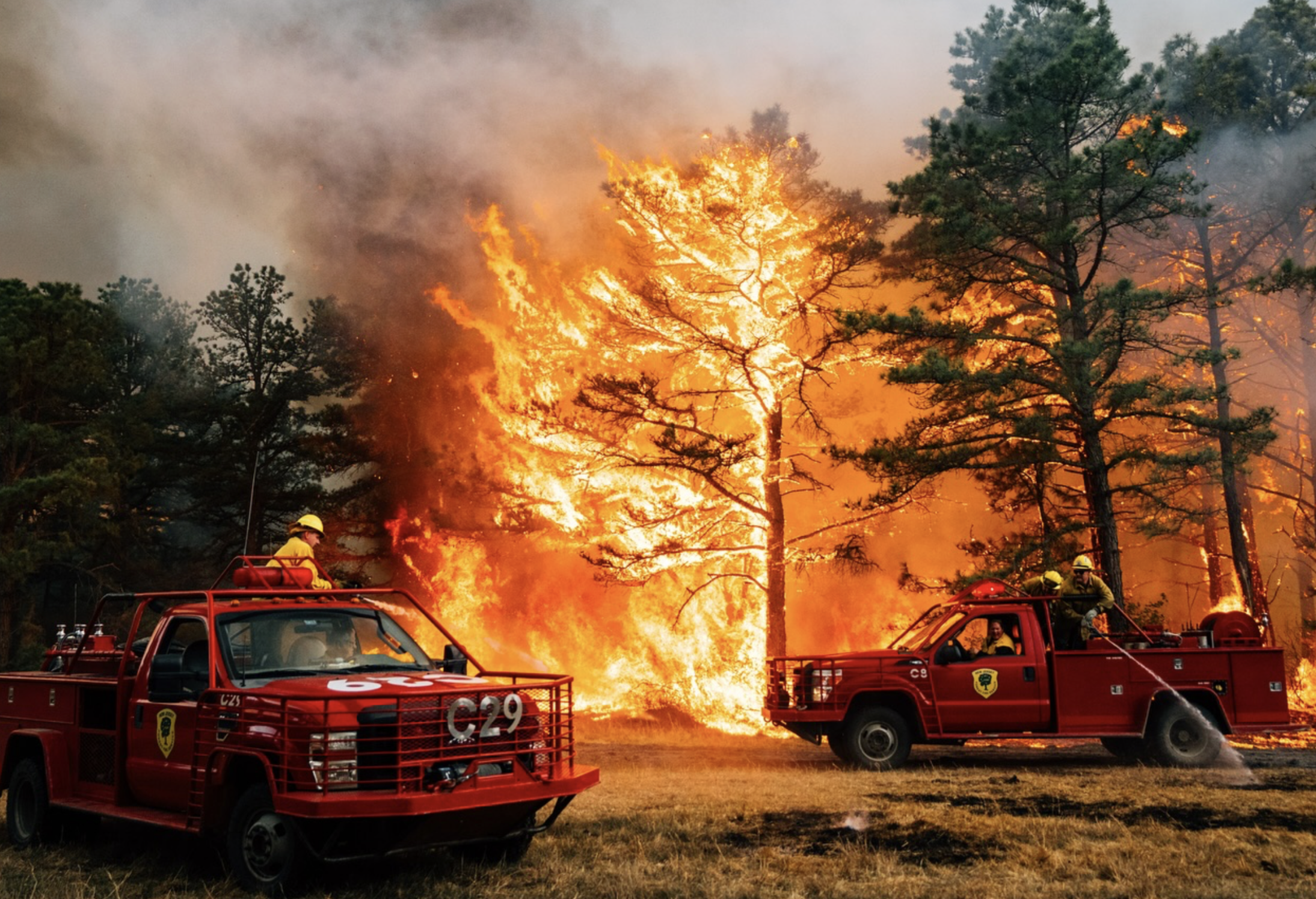
The Age of Risk can be the Age of Rescue. To make that happen, our partner organization Earth Civics suggests three areas of transformational work that can make climate rescue an everyday success story:
- Get local, letting communities lead, by using incentives and focused investment to spark climate-resilient development activities that improve lives and livelihoods in communities.
- Move toward a Zero Harm standard to upgrade ambition at all levels, including decarbonization, resilience, early warning, and science-informed local services.
- Treat information as a right, using evidence and decision insights to improve conditions and expand agency in communities, while spreading good practices.
What’s next?
That question weighs on us, because we can do better, through thoughtful, evidence-based cooperation, problem-solving, and a commitment to the future. What’s next is the everyday work of saving humanity, and Nature, so the future can include human rights, agency, and prosperity.