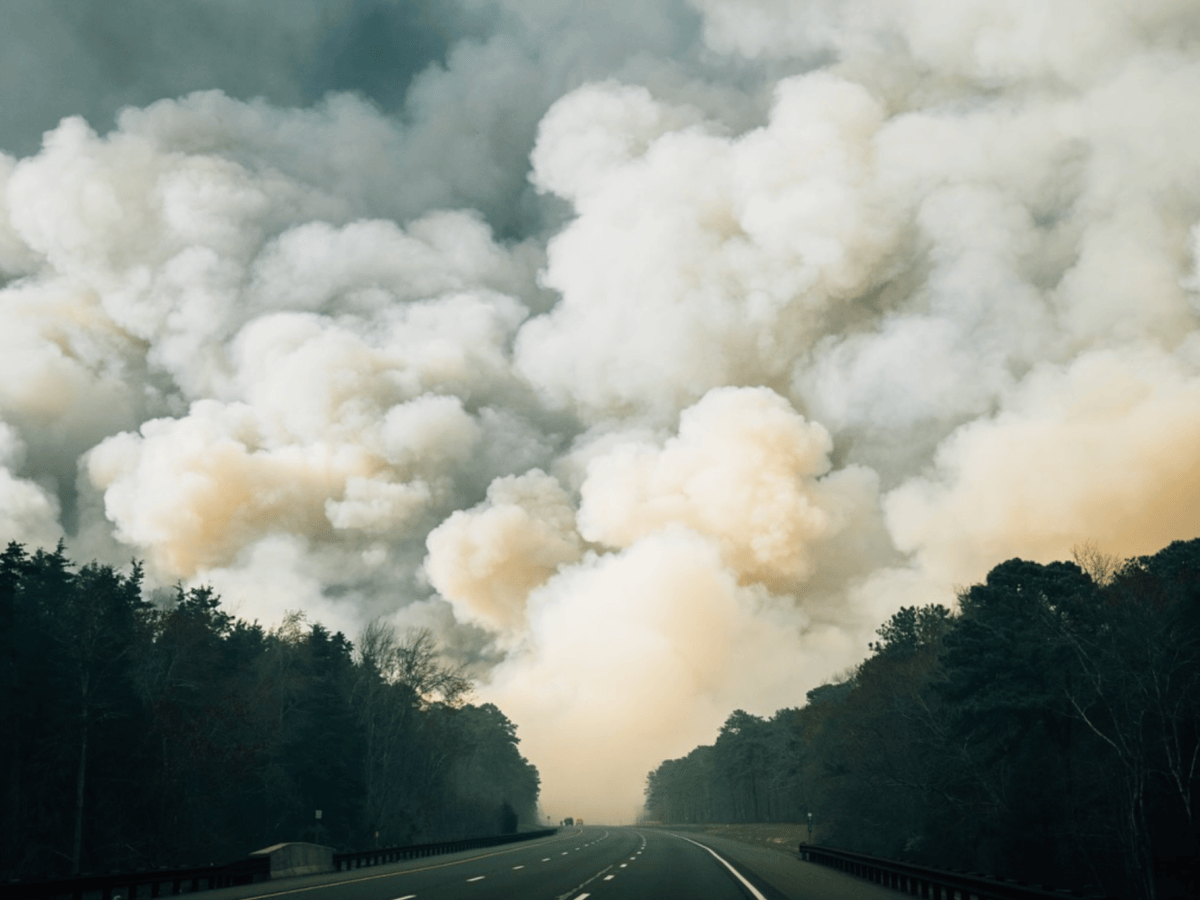

Nature is life… and far-reaching responsibility.
Healthy ecosystems, watersheds & climate dynamics are vital for the future wellbeing of all people in all nations. Governments should work together to protect Nature.
In 2015, as the community of nations moved toward adoption of the Sustainable Development Goals, which recognize our dependence on living ecosystems on land and in marine environments, Pope Francis issued a landmark encyclical letter, Laudato Si’, subtitled “On Caring for Our Common Home.” The mission of Creation Care became front page news, and it was encouraging that the governments of nearly 200 nations agreed it was an essential part of their service to their people.
At the heart of Laudato Si’ is an ethical and civilizational challenge:
- We are encouraged, in our technological age, to believe that human industry has extricated us from Nature and its fateful contest for survival.
- And yet, without healthy living ecosystems, resilient watersheds, and sustainable agriculture, we are not safe, let alone free from the contest for survival.
- Stewardship is an implicit ethical obligation—both because we depend on Nature’s living systems and because each of us expects everyone else to favor our security and survival.
- So, Creation Care is a duty, a right, and the logical extension of the fact that we are Nature, however much we like to think otherwise.
This has implications for law, policy, finance, and trade. In 2025, the International Court of Justice issued an Advisory Opinion in which it found that all nation-state governments have a legal duty to act to prevent dangerous climate disruption, to protect the rights and security of their own people and of the people of other nations.
The ICJ Advisory Opinion is important—and could play a decisive role in the safety and survival of billions of people for generations to come—because it provides jurists at all levels the legal reasoning for attaching climate responsibility to the very foundations of written law and lawful court proceedings. The ICJ found that:
- Climate protection and a healthy, clean environment are implicit in all other human rights.
- Duty to act includes a duty to cooperate, and is grounded in treaties and in customary international law.
- Failing to act to reduce climate risk can constitute an “international legally wrongful act”.
As the late American senator John McCain wrote:
Human rights exist above the state and beyond history. They cannot be rescinded by one government any more than they can be granted by another. They inhabit the human heart, and from there, though they may be abridged, they can never be extinguished.
What this means in practice: All legitimate legal authority is rooted in this recognition and so in honorably serving the rights and dignity of all people.
- The Constitution of the United States recognizes that legitimate governments “establish Justice”, serve “the general Welfare”, and honor the human rights of future generations.
- The United Nations Charter also opens with recognition that “All human beings are born free and equal in dignity and rights,” and calls on all nations to honor the rights and dignity not only of their own people, but of all people.
- The International Covenant on Civil and Political Rights, a binding international treaty, states that human rights are universal, unalienable, and “derive from the inherent dignity of the human person”.
Those who favor unfettered industrial exploitation of Nature argue: If we are Nature, why can we not do with it what we wish; if we are superior to Nature, why can we not simply exploit it for our own purposes? The arguments are tautological, but not ethical; they do not consider unfair impacts on living systems or on the people, now and far into the future, who depend on their health and resilience.
Some advocates of free speech and freedom of thought argue that freedom to exploit is an extension of those other freedoms, that if one is free to think that exploitation is not forbidden, then one can do it. This is amoral, lawless reasoning, and it rejects the very foundations of constitutional laws that recognize and defend human rights and liberty.
To be free to think, speak, and publish does not mean one is free to commit physical acts that harm others. If it did, the freedom to criticize, the right to challenge injustice in court, to pray for decency to prevail in a world too often defined by abuses, rights also protected by the First Amendment and similar national and international laws, would be functionally inoperative.
Pollution is a kind of impunity. It is implicitly restricted by the foundational truths of human rights and dignity and the universal obligation to pursue justice. When industry pollutes waterways, the atmosphere, ecosystems, and wildlife, it pollutes not only our surroundings, but our physical and metaphysical interactions.
A single pollution event—whether sudden and unexpected or routine and tacitly allowed to go on every day—can directly impact the health, wellbeing, and life-expectancy of millions of people and thousands of species integral to nearby ecosystems. Global heating pollution has more far-reaching effects, impacting the foundations of human security and opportunity in all regions.
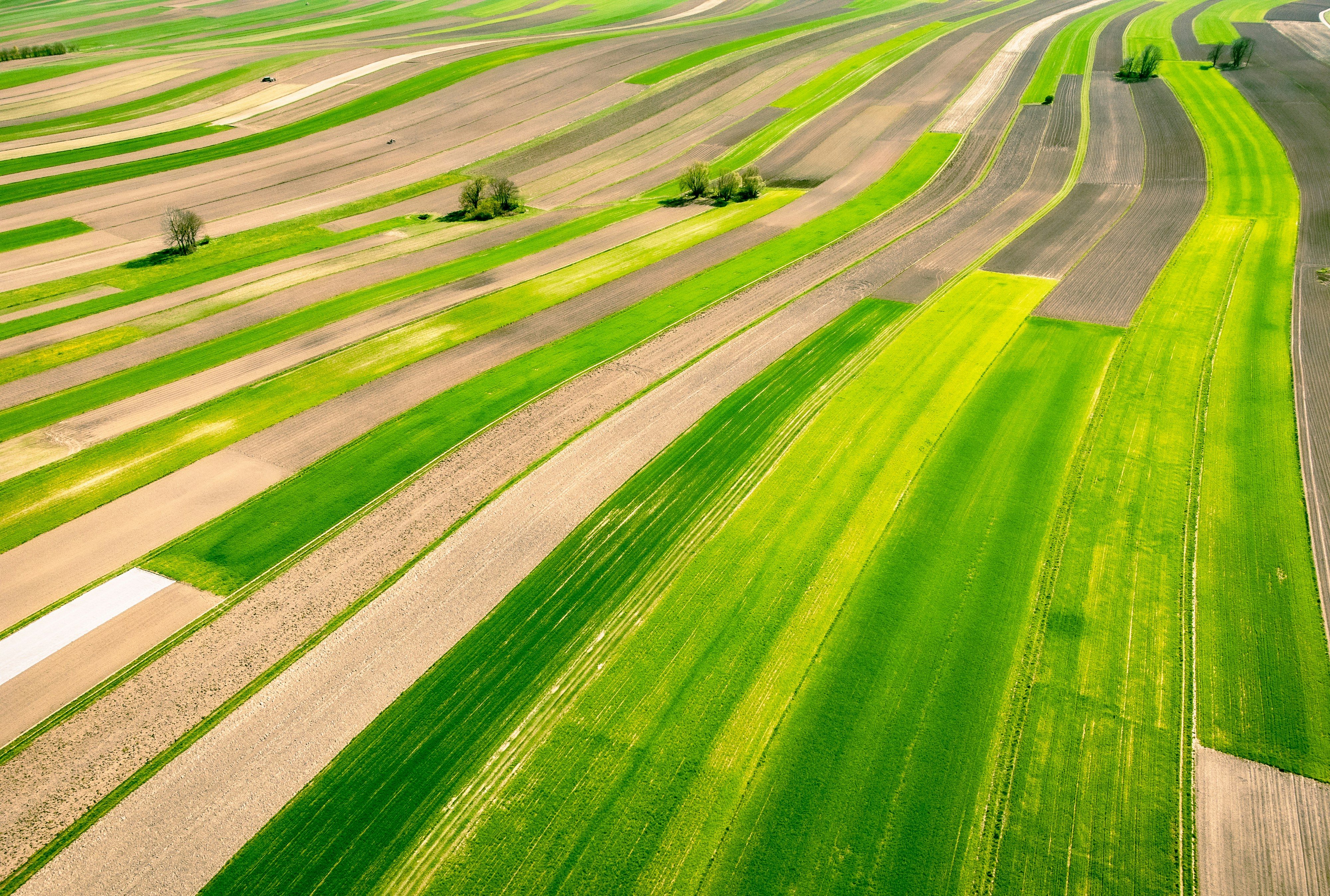
As the United Nations General Assembly gathers for high-level meetings between ministers and heads of state, to consider structural decisions about trade, development, food security, and peacebuilding, the Member States must recognize and honor this transcendent obligation to protect Nature, in order to serve and protect humankind, now and into the future.
- In some cases, that will mean establishing and upholding the Rights of Nature.
- In others, it will mean recognizing indigenous rights not just to land but to ecologically sound land stewardship.
- The GA should recognize that “decent work” (SDG8) involves doing right by Nature.
- Integrated and holistic cooperative development should protect biodiversity and ecosystems, on land and throughout the ocean.
- Investments to support resilience-building in food systems and in development and trade should be prioritized.
Finally, it is worth noting that, around the world, people of all ages are hungry for clear and unequivocal signs of commitment by national leaders to these fundamental ethical priorities. It should not be a struggle for high-ranking public servants to declare their allegiance to the non-financial human needs of their people. They have already done so in numerous treaties and conventions, and in the UN Charter itself.
The Kunming-Montreal Global Biodiversity Framework was widely celebrated as a Global Pact with Nature. Urgent, coordinated action on its provisions would protect 30% of land and water to safeguard biodiversity, reduce to near zero the degradation of high-sensitivity, high-value ecosystems, reduce agricultural pollution by at least half, and phase out $500 billion per year in destructive subsidies.
Far more urgent action is needed to achieve these goals.
A declaration supporting the prioritization of Nature, human health, sustainability and resilience in locally rooted, yet innovative and informed, everyday economies, would be a welcome sign of that commitment. It should also recognize the boundlessness of this commitment, by clearly stating that not being listed does not mean this integral and holistic approach will not be applied consistently, in good faith.
At this moment in history, we need to see reiterated in plain, constitutional language:
- A universal commitment to honoring the connection between human rights and the health of Nature;
- Clear, universal guidance to act on the right to a clean, healthy environment and the ICJ finding that governments have a legal duty to prevent harm from industrial climate disruption;
- An intentional approach to crafting policies and cooperative agreements that reduce pollution and reward natural resilience value in priority investments;
- An agreement that the quest for advanced artificial intelligence capabilities will not be allowed to interfere with human rights or the health of Nature;
- Recognition that armed conflict not only degrades human rights, dignity, freedom, and opportunity, but also the natural systems that sustain life;
- A recommitment to supporting the Sustainable Development Goals at all levels, at home and abroad.