
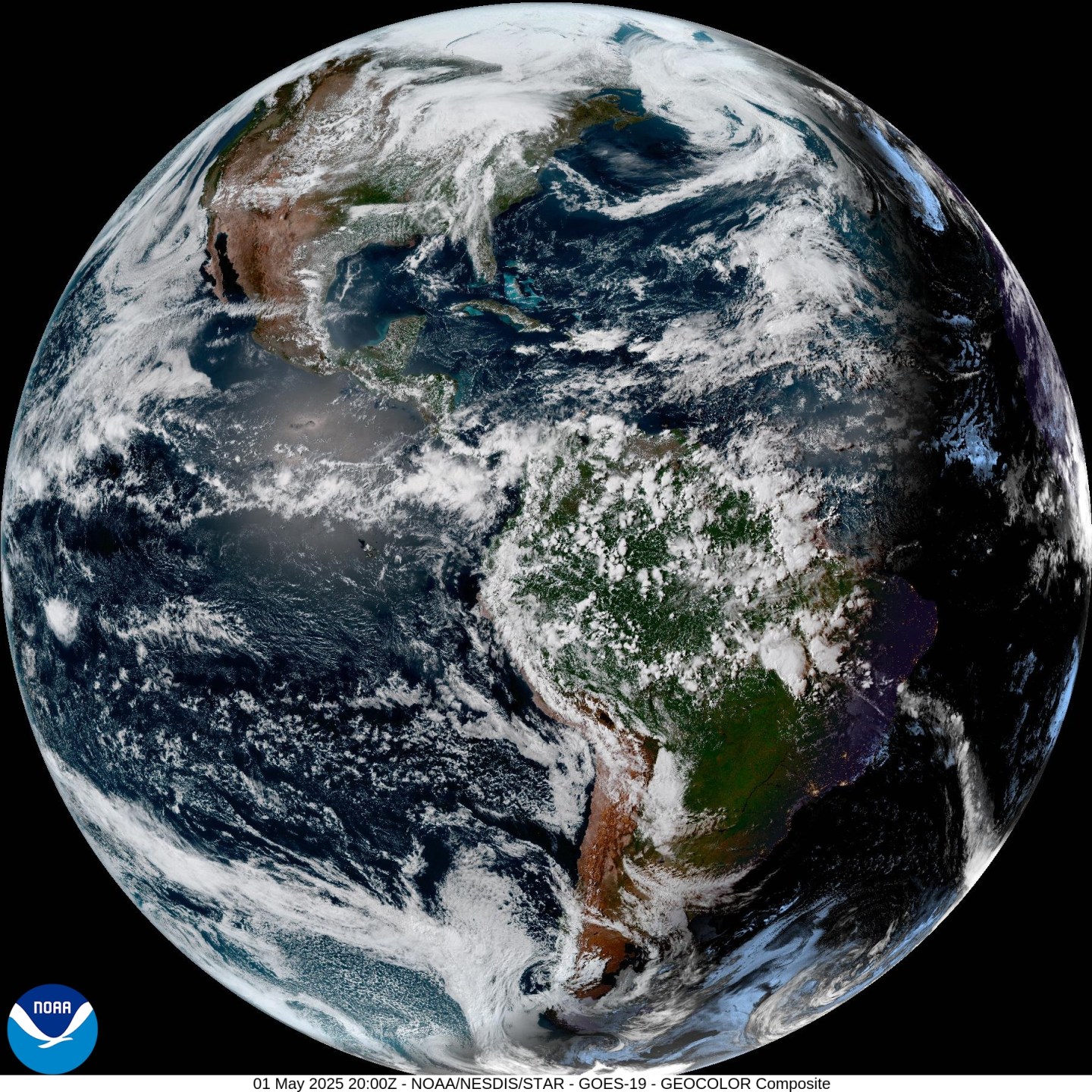
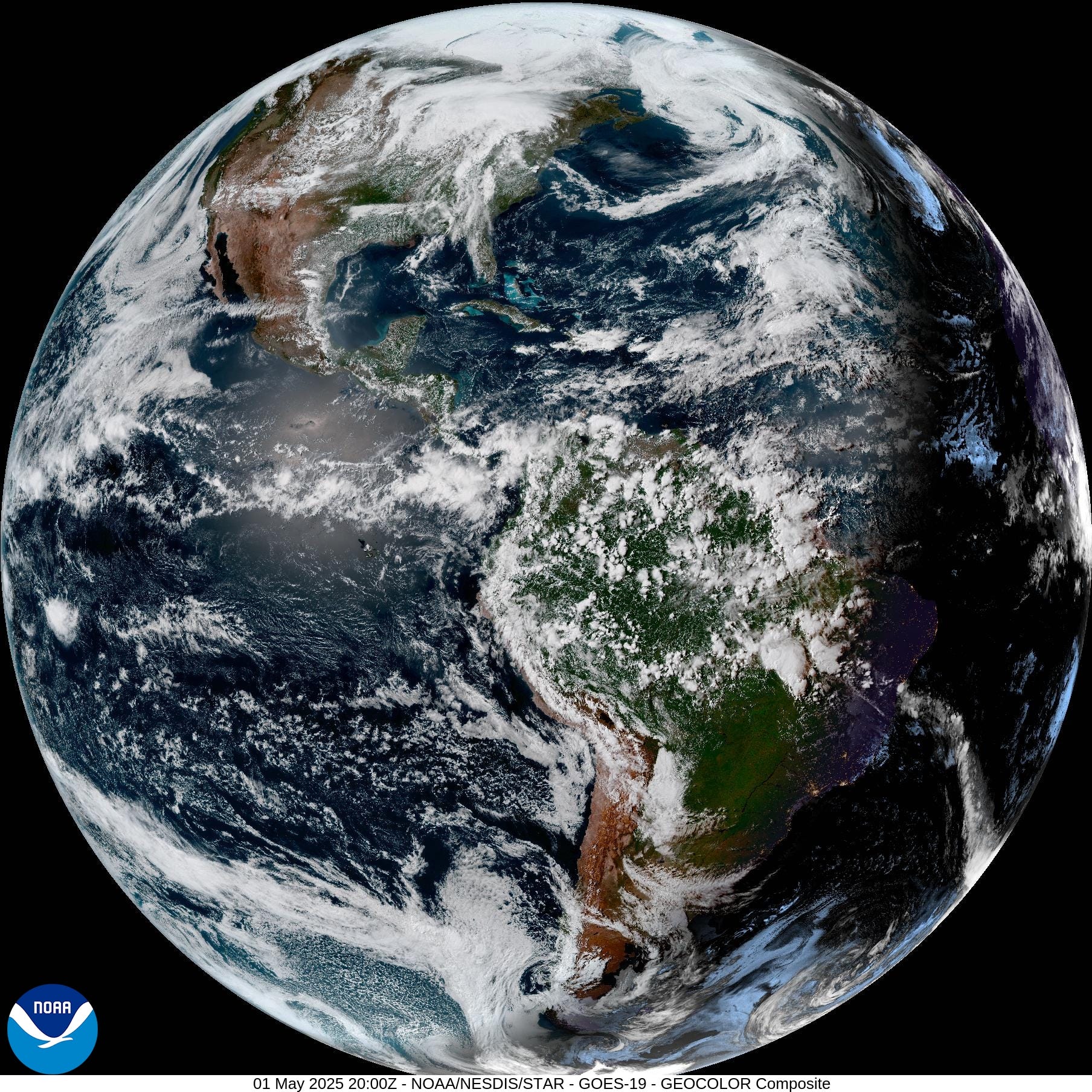
The Union of Concerned Scientists has released an open letter with more than 3,300 signatures from scientists and experts, calling for an end to administrative and budgetary actions aimed at undermining the work of the National Oceanographic and Atmospheric Administration (NOAA). The letter was delivered to leaders in the United States Senate and House of Representatives, and to the Secretary of Commerce.
Though one of the preeminent science agencies on the planet, and essential for safeguarding the everyday security, wellbeing, and opportunity of the American people, NOAA has been subjected by the new U.S. administration to arbitrary withholding of funds allocated to the agency by law, to mass firings, and other acts of apparently politically motivated sabotage. It is widely understood, in part due to public statements from the President himself, that the administration is intentionally dismantling agencies that can provide evidence of dangerous and costly pollution.
The letter warns of the loss of vital scientific evidence supporting everyday security and prosperity:
NOAA is one of the foremost US federal science agencies. Its foundational work has immense value for people’s daily lives and for the national and international economy. NOAA is the primary provider of critical, widely used forecasts for a range of extreme weather events, including hurricanes, heatwaves, and drought. It also provides projections of sea level rise and high tide flooding, and monitors wildfire smoke, marine heat waves, and other dangerous but less readily observable threats. This vital information is then used by emergency responders, policymakers, the private sector and the public to help prepare and protect communities, critical infrastructure and commerce. It must remain freely accessible so that all can reliably use it, not just those who are able to pay.
Millions of Americans and hundreds of billions of dollars will face significant material risks if the quality, quantity, or accessibility of NOAA’s science outputs declines. Since 1980, the U.S. has experienced 403 disasters costing $1 billion or more, with a total cost of more than $2.945 trillion. 27 of those events took place in 2024, costing more than $184 billion. Just one hurricane (Helene) is projected to cost more than $250 billion over the coming decades, as secondary effects play out.
Dr. Rachel Cleetus, Policy Director for the Climate and Energy Program at UCS, said in a press release:
NOAA’s invaluable scientific enterprise has been built up over decades through investments by U.S. taxpayers for the publi’s benefit. Local decision makers, communities, meteorologists, first responders, farmers, mariners, and businesses depend on NOAA’s crucial weather and climate data provided free of charge. Congress must do its job: reclaim its constitutional power and limit the worst excesses of this increasingly authoritarian, anti-science and destructive administration.
The letter comes on the same day President Trump’s family announced a $2 billion cryptocurrency deal with a fund backed by the UAE government—one of the world’s leading purveyors of climate disrupting pollutants. The new Director of the Office of Management and Budget is one of the architects of Project 2025—a radical policy document partly funded by polluting interests, which calls for the disabling of NOAA’s scientific observation and research capabilities.
Just yesterday, it was announced the White House would dismiss all of the researchers working on the next National Climate Assessment, even as the administration seeks to reconfigure and substantially scale down the U.S. Global Change Research Program, which was established by Congress and which coordinates the National Climate Assessment, with 14 Cabinet-level agencies. As reported by NPR:
The National Climate Assessment is the most trustworthy and comprehensive source of information about how global warming affects the United States. It answers common questions about how quickly sea levels are rising near American cities, how much rain is normal for different regions and how to deal with wildfire smoke exposure.
The scientists’ call to action to protect NOAA warns:
Without a strong NOAA, a cornerstone of the US scientific research enterprise, the world will be flying blind into the growing perils of global climate change. It is unequivocal that human-induced climate change, primarily driven by burning fossil fuels, is the leading cause of the rapid heating of the oceans, the land surface, and the lower atmosphere. The harmful impacts of human-induced increases in heat-trapping emissions are readily apparent in accelerating sea level rise, worsening heat waves and flooding, longer and more intense wildfire seasons, altered rainfall patterns, the retreat of Arctic Sea ice, ocean acidification, and many other aspects of the climate system that are currently monitored by NOAA.
The administration’s efforts to disable science-focused agencies have surprised even some avid backers of the President’s plans for deregulation. Among the major high-value scientific assets the U.S. may lose as a result are pandemic preparedness and prevention, early warning systems that greatly reduce loss of life and disaster costs from extreme weather events, food security emergency response capabilities, and space-based science observation, including with national security implications.
As The Navigator reported in February:
The climate is a physical reality; sweeping physical disruptions in the climate system impact every area of human experience, even if we are not all expert enough in the details of planetary physics to immediately see the connections.
This is why the United States, as a self-governing society, set up science-focused agencies, to make sure we would invest in the study and discovery needed to see such connections, and to avoid major threats. When politicians argue that we can just ignore the worsening disruption of the climate system, driven by industrial pollutants and by destruction of carbon-absorbing ecosystems, they are telling a dangerous lie. The cost could be everything their audience cares about.
The Constitution of the United States—in Article I, Section 8—requires Congress to advance scientific inquiry and discovery. The Constitution provides no authority to the Executive branch to interfere with that essential service to the American people and their ability to deal with crisis and opportunity; instead, it requires the laws advancing science be faithfully executed.
 Geoversiv Earth Intelligence